







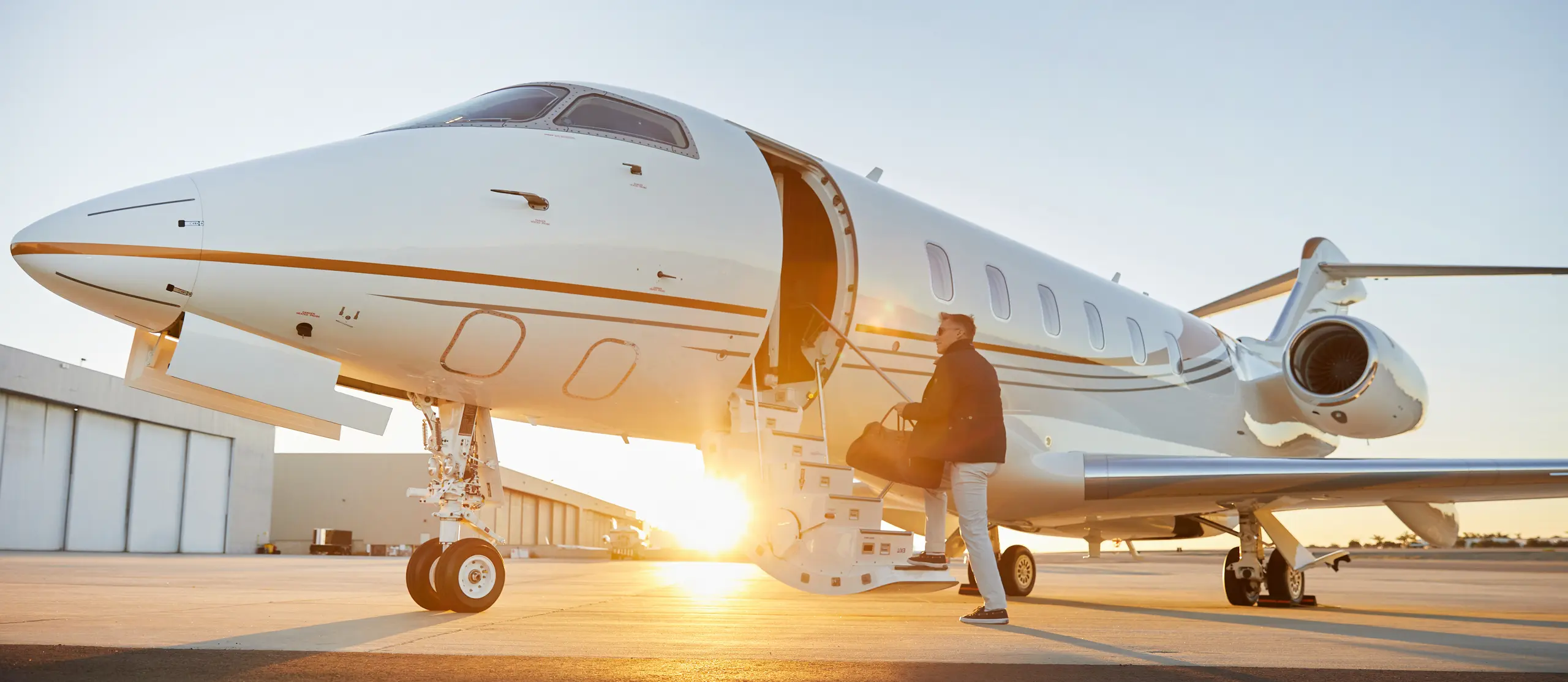
In recent years, the landscape of air travel has undergone a significant transformation, particularly in the realm of private aviation. Traditionally perceived as an exclusive luxury reserved for the wealthy elite, flying private is increasingly becoming a viable option for a broader demographic, especially when compared to the escalating costs and inconveniences associated with commercial flights. This observational study seeks to explore the dynamics of private air travel, its emerging affordability, and the implications for travelers seeking a more efficient and comfortable flying experience.
The commercial aviation industry has faced numerous challenges in recent years, including rising ticket prices, increased fees, and a decline in customer service quality. As airlines continue to grapple with operational costs, passengers often find themselves paying more for less. Hidden fees for baggage, seat selection, and in-flight services have become commonplace, leading to frustration and dissatisfaction among travelers. In contrast, private aviation offers a more streamlined and personalized experience, which is becoming increasingly accessible.
One of the most significant factors contributing to the growing appeal of private flights is the introduction of innovative pricing models and services that cater to a wider audience. Companies like JetSuite, Wheels Up, and Surf Air have emerged, offering membership-based models and on-demand charter services that allow travelers to book private flights at competitive rates. These services often operate on a per-seat basis, making it possible for individuals to fly privately for a cost comparable to that of commercial airlines, especially for last-minute travel or when flying to less accessible destinations.

To illustrate this trend, consider the example of a round-trip flight from Los Angeles to San Francisco. A commercial airline ticket can range from $150 to $400, depending on the time of booking and the airline. In contrast, a seat on a private jet charter can be priced similarly, especially when booked through a service that allows shared flights. For instance, a company like Surf Air offers unlimited flights between select destinations for a monthly membership fee, which can equate to the cost of a few commercial flights over the same period. This model not only provides convenience but also enhances the overall travel experience by eliminating long security lines and the need to arrive hours in advance.
Additionally, the time savings associated with private aviation cannot be overstated. Travelers flying privately can arrive at the airport just minutes before their flight, bypassing the lengthy check-in and boarding processes typical of commercial airlines. This efficiency is particularly advantageous for business travelers who value their time and need to maximize productivity. The ability to fly directly to smaller airports closer to their final destination further enhances the appeal, as it reduces travel time and increases flexibility.
Another aspect worth examining is the growing availability of empty leg flights. These are flights that occur when a private jet is returning to its home base or repositioning for another booking. Empty leg flights can be significantly discounted, sometimes up to 75% off the regular charter price, making private travel even more affordable. For budget-conscious travelers, this presents an opportunity to experience the luxury of private aviation at a fraction of the cost. However, the unpredictability of these flights requires flexibility in travel plans, which may not suit everyone.
The shift towards more affordable private aviation is also reflected in the changing demographics of private jet travelers. Traditionally, private flights were predominantly utilized by corporate executives, celebrities, and affluent individuals. If you loved this short article and you would certainly like to obtain additional facts regarding privatejetscharter.review kindly go to the internet site. However, the rise of technology-driven solutions and a growing acceptance of shared travel experiences has opened the door for a more diverse clientele. Millennials and younger generations, who value experiences over material possessions, are increasingly drawn to the idea of flying private as a way to enhance their travel experiences without breaking the bank.
Moreover, the ongoing COVID-19 pandemic has accelerated the trend towards private aviation. Health and safety concerns have prompted many travelers to seek alternatives to crowded commercial flights. Private jets offer a controlled environment with fewer passengers, allowing for greater social distancing and reduced exposure to potential health risks. As a result, many who may have previously considered private flying as an extravagant expense are now viewing it as a practical solution to ensure their safety while traveling.
Despite the growing accessibility of private aviation, it is essential to acknowledge the environmental impact associated with flying private. While commercial airlines are often criticized for their carbon footprints, private jets are typically less efficient in terms of fuel consumption per passenger. However, some companies are taking steps to mitigate their environmental impact by investing in sustainable aviation fuel and carbon offset programs. As the industry evolves, there is an increasing emphasis on balancing luxury travel with environmental responsibility.
In conclusion, the landscape of air travel is shifting, with private aviation emerging as a competitive alternative to commercial flights. The combination of innovative pricing models, time savings, and enhanced travel experiences is making private flying more accessible to a broader audience. As travelers continue to seek convenience and efficiency, the trend of flying private for the cost of commercial is likely to gain momentum. While challenges remain, particularly concerning environmental sustainability, the future of private aviation appears promising as it adapts to the changing needs and preferences of modern travelers. As this trend continues to evolve, it will be fascinating to observe how the dynamics of the aviation industry shift and how travelers navigate their choices in an increasingly interconnected world.


