







Let me say this first.
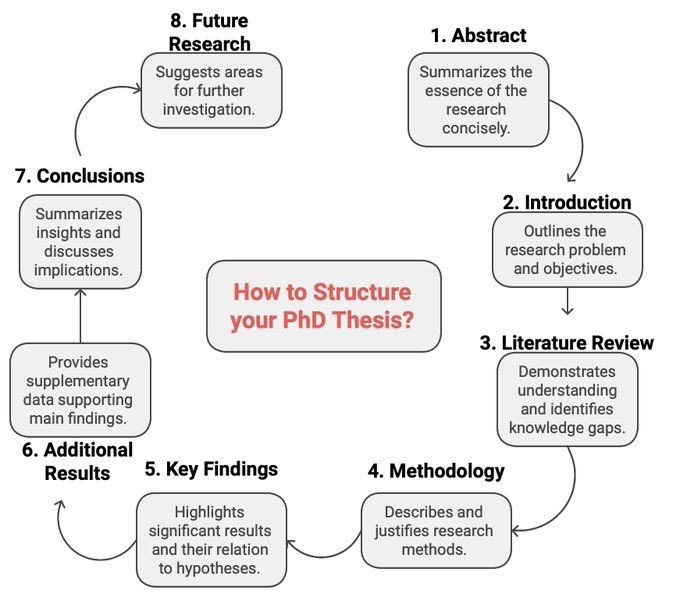
The majority of PhD scholars do not drop out since they are incapable.
They struggle because the process is long, isolating, confusing, and terribly structured.
Great minds obtain stuck in between subject approval and phase four. Not because they lack knowledge. But because no person actually teaches them how to handle a thesis from start to finish.
That is where a structured assistance model makes all the difference.
Not writing for the scholar. Not replacing research. But directing, forming, fixing, and reinforcing every phase so the job comes to be publishable, defendable, and respected.
This is just how a proper PhD thesis support system need to function.
Phase One: Quality Before Creating
Many troubles begin here.
A scholar chooses a topic that sounds excellent but is either too broad or also slim. Research questions are unclear. Goals are unclear. Hypothesis is freely framed.
Before a single chapter is composed, clearness has to be compelled.
An organized assistance design begins with:
This phase saves months of confusion later on.
Lots of scholars rush right into literature testimonial without knowing exactly what they are investigating. That creates spread creating and weak disagreements.
Appropriate advice at this stage brings sharp direction.
Stage 2: Study Design Style
Now comes the technical foundation.
Method is not a decorative phase. It identifies whether the thesis makes it through assessment.
Assistance at this stage consists of:
Numerous scholars duplicate method styles from previous theses without understanding placement. That is dangerous.
A structured assistance version ensures that research study concerns, goals, tools, and analysis strategies are practically connected.
When layout is strong, supervisors take the work seriously.
Phase 3: Literary Works Evaluation Development
This is where several PhD candidates really feel overloaded.
Countless documents. Negating findings. The concern of missing something crucial.
Literary works testimonial is not a recap. It is argument structure.
Assistance at this phase concentrates on:
A strong testimonial shows deepness, not quantity.
Scholars frequently battle with structuring this chapter. They accumulate PDFs for months and still feel shed.
Structured mentoring breaks it into manageable blocks. Motif by style. Concept by theory.
Progressively, the chapter begins to speak.
Phase 4: Information Evaluation Support
This is the stage that creates panic.
Statistics. Software. Analysis.
Some scholars are outstanding writers but uncomfortable with measurable tools. Others accumulate data but can not interpret patterns confidently.
An assistance model supplies:
Evaluation is not nearly producing tables. It is about explaining what those numbers suggest for your research study problem.
Supervisors do not simply check out outcome. They try to find insight.
Proper assistance makes certain that findings are realistically gone over, not mechanically reported.
Phase Five: Phase Structuring and Academic Composing.
This is where writing high quality issues.
Numerous doctoral scholars recognize their subject deeply however battle to share disagreements academically. Sentences end up being lengthy and uncertain. Paragraphs shed focus. Repetition increases.
Structured support consists of:.
Clearness is power in research writing.
A great thesis reads with confidence. It does not stray.
This stage is not regarding changing the scholar’s voice. It has to do with honing it.
Stage Six: Referencing and Formatting Technique.
Formatting audios tiny.
It is not.
Inaccurate citation style irritates examiners quickly. Inconsistent referencing signals recklessness.
An organized assistance model makes sure:.
Several colleges deny submissions over formatting blunders alone.
This phase shields months of effort from technological being rejected.
Phase Seven: Magazine Guidance.
Today, PhD conclusion often needs research study magazines.
Scholars are expected to release in peer evaluated journals before submission.
However journal choice is puzzling. Predative journals exist. Rejection is common.
Assistance consists of:.
Magazine increases thesis credibility.
Much more importantly, it develops the scholar’s academic account.
Phase Eight: Pre Entry Review and Mock Viva.
Before last entry, the thesis should go through deep review.
A structured support group conducts:.
Numerous scholars panic during viva because they have not reviewed their own job seriously.
Simulated conversations build confidence.
Self-confidence programs during defense.
Emotional and Mental Assistance.
This component is rarely talked about.
PhD writing is psychologically exhausting.
There are phases of self question. Imposter syndrome. Hold-ups in manager comments. Household pressure. Financial pressure.
A structured support model acknowledges the human side.
Routine progression tracking. Small milestone parties. Sincere comments without frustration.
Sometimes what a scholar requires is reassurance that they are not behind. That complication is regular. That modification becomes part of research study.
Assistance is not simply technical. It is psychological stability.
Ethical Border.
Let me be clear.
Organized help is assistance, not ghostwriting.
The scholar should continue to be the key scientist.
Honest support enhances study abilities rather than changing them.
The objective is independence, not dependence.
A correct design makes certain openness and scholastic stability at every stage.
Why Structured Design Works Better Than Random Help.
Numerous scholars look for help just when issues develop.
That responsive approach develops jumble outcomes.
An organized model works from the first day till entry. Each phase links to the following. Documentation is organized. Revisions are tracked.
Instead of chaos, there is procedure.
Process decreases anxiety.
Process enhances top quality.
Impact on Completion Rate.
Information throughout universities reveals that doctoral conclusion often extends past anticipated timelines.
Postpone occurs since framework is missing out on.
When turning points are specified and checked, progression becomes quantifiable.
Scholars that receive arranged guidance often tend to:.
Organized assistance does not guarantee success.
Yet it increases chance significantly.
Developing a Sustainable Thesis Support Framework.
For institutions or academic service providers, building this design calls for:.
It can not be casual.
It should operate like a scholastic community.
Each professional contributes at various stages.
The scholar remains at the center.
The Real Goal.
The objective is not just submission.
It is producing a thesis that contributes meaningfully to understanding.
An excellent quality PhD Thesis Help Assistance thesis:.
When organized assistance aligns with these concepts, the last work stands solid under analysis.
Closing Thought.
Doctoral research is requiring. It checks persistence greater than intelligence.
Laid off, lots of qualified scholars really feel shed in the middle of the procedure.
With organized assistance, the trip comes to be convenient.
Hard.
But workable.
Which difference is powerful.
Due to the fact that when quality replaces complication and framework changes disorder, scholars do not just complete their thesis.
They turn into researchers who comprehend their job deeply.
Which is the real success of any organized PhD thesis support design.


