







Explore Why Authority Links Outperform Low Quality Link Networks
Links have always been one of the strongest signals search engines use to understand the web. However, not all links carry the same weight. Over time, Google has become exceptionally skilled at separating meaningful authority links from artificial link networks. This evolution has changed how rankings are earned. Today, authority links consistently outperform low quality link networks because they align with how Google evaluates trust, relevance, and long term value. Understanding this difference is essential for anyone focused on sustainable visibility rather than short term spikes.
How Google Interprets Links in the Modern Web
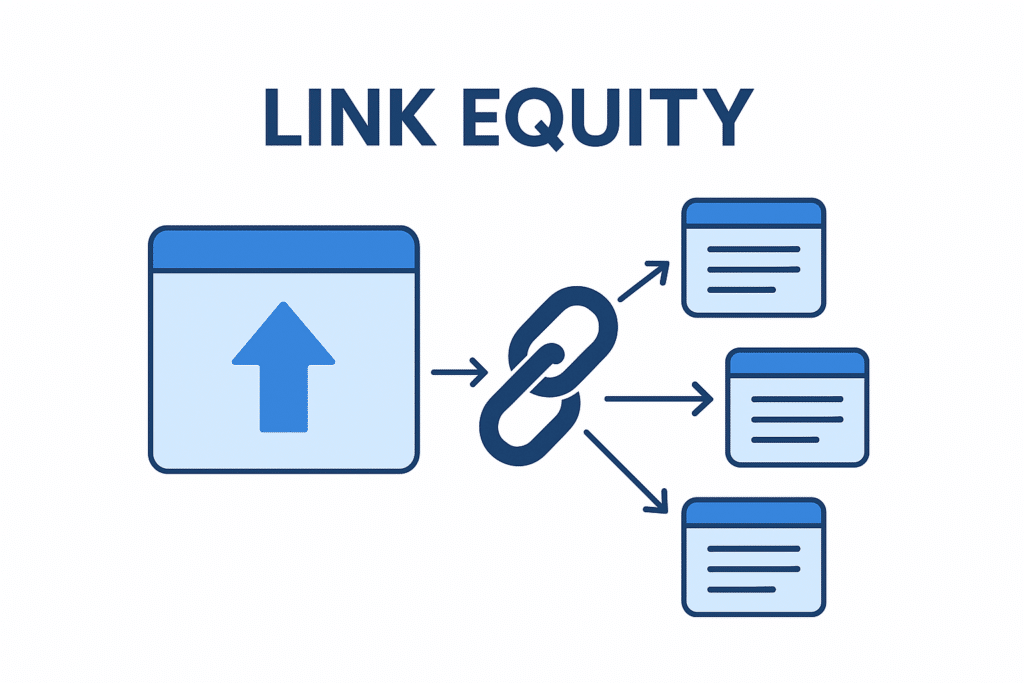
Google does not treat links as simple votes anymore. Instead, it reads them as contextual signals. When a reputable website links to another page, Google evaluates why that link exists, how it fits the surrounding content, and whether it makes sense within the topic. Authority links usually come from websites that already have strong topical focus, consistent publishing history, and real user engagement. As a result, these links act as confirmations of credibility. In contrast, low quality link networks often exist only to manipulate rankings, which makes their intent easier for Google to detect.
The Concept of Authority in Linking
Authority is built over time. Websites earn it by consistently publishing accurate, helpful, and experience driven content. When such a site links out, Google trusts that decision more. This is because authority sites rarely link randomly. Their outbound links usually support explanations, add references, or guide readers to deeper understanding. Therefore, a single contextual link from a trusted source can outweigh dozens of links from weak or unrelated sites. Authority links work because they mirror natural human recommendations rather than engineered patterns.
Why Low Quality Link Networks Fail
Low quality link networks rely on volume rather than value. They often use repetitive anchor text, unrelated domains, thin content, and unnatural interlinking. Google’s algorithms are trained to recognize these footprints. Over time, such links either lose value or become ignored completely. In some cases, they can even harm overall site trust. Because these networks lack real users and topical relevance, they fail to send meaningful signals. Consequently, they do not support long term growth or stability in rankings.
Relevance Beats Quantity Every Time
One of the biggest reasons authority links outperform weak networks is relevance. A link from a site that covers similar topics reinforces meaning. For example, a reference from a well established marketing publication to a page discussing search behavior feels logical. Google understands this relationship instantly. On the other hand, links from random directories or unrelated blogs create confusion. Even if they exist in large numbers, they do not strengthen topical clarity. Therefore, relevance amplifies authority, while irrelevance dilutes it.
How Authority Links Support E E A T
Experience, expertise, authoritativeness, and trustworthiness are evaluated collectively across the web. Authority links contribute directly to these signals. When credible sources reference your content, it validates your expertise. It also shows that your explanations align with accepted knowledge. Over time, repeated references from trusted sites build a reputation layer around your content. Low quality link networks cannot replicate this effect because they lack genuine experience and trust signals.
The Role of Editorial Judgment
Authority links are often editorial by nature. They are placed because the content deserves to be referenced. This editorial judgment is critical. Google values links that result from human decision making rather than automated placement. Editorial links usually appear within informative paragraphs, surrounded by relevant text. This context helps Google understand not just the link itself, but the reason behind it. Link networks rarely include this depth of context, which makes their signals weak.
User Trust and Engagement Signals
Authority sites attract real users who read, scroll, and interact. When these users follow outbound links, it reinforces the usefulness of those references. Google observes these behavior patterns. If users consistently engage with linked content, it strengthens the perceived value of the connection. In contrast, link networks often have little to no genuine traffic. As a result, they fail to generate supporting engagement signals, further reducing their impact.
Long Term Stability Versus Short Term Gains
Low quality link networks may sometimes cause temporary ranking improvements. However, these gains are unstable. As Google updates its systems, artificial patterns are recalculated and devalued. Authority links, on the other hand, grow stronger over time. As the linking site itself gains more trust, the value of its outbound links also increases. This compounding effect is why authority driven strategies deliver consistent results across algorithm updates.
How Google Crawlers Evaluate Link Quality
Google crawlers analyze where a link is placed, how it is worded, and what surrounds it. They also assess the linking site’s history, topic focus, and outbound link patterns. Authority sites typically link selectively and responsibly. This selectiveness increases confidence. Link networks often show excessive outbound linking with little discrimination. Such behavior is easy to flag algorithmically. Therefore, authority links align better with how crawlers evaluate quality and intent.
A Practical Perspective on Authority Linking
From a practical standpoint, authority links act like academic citations. A research paper referenced by respected journals gains credibility. Similarly, web pages referenced by trusted sites gain authority. This is why educational resources, in depth guides, and explanatory content naturally attract strong links. Many respected industry platforms, including discussions published by Top SEO Agencies in USA, follow this principle by prioritizing insight over manipulation.
Why Natural Linking Matches Search Evolution
Search engines are moving toward understanding meaning, relationships, and trust rather than raw signals. Authority links fit this evolution perfectly. They emerge from genuine relevance and usefulness. Low quality link networks represent an outdated mindset focused on shortcuts. As Google continues refining its understanding of the web, natural and authoritative links become even more valuable.
Building Content That Attracts Authority Links
Authority links are earned, not placed. Content that explains concepts clearly, offers real insight, and answers user questions naturally attracts references. Consistent tone, accurate information, and logical structure make content link worthy. Over time, as more authoritative sources reference such content, Google connects these signals into a strong trust profile.
Final Thoughts on Link Quality
Authority links outperform low quality link networks because they align with how Google understands trust, relevance, and expertise. They support long term visibility, withstand algorithm changes, and reinforce topical authority. Rather than focusing on numbers, focusing on meaning creates sustainable success. In the modern search landscape, quality is not optional. It is foundational.
FAQs (Frequently Asked Questions)
Why does Google ignore many low quality links today?
Google ignores low quality links because they lack relevance, context, and trust signals. These links often come from sites with thin content or artificial structures. Since they do not reflect genuine recommendations, Google discounts them to maintain accurate and reliable search results.
Can one authority link really be better than many weak links?
Yes, one authority link can outweigh many weak links because it carries strong trust and relevance signals. Authority links come from credible sources with real users. Google values this confirmation far more than large volumes of low value references.
Do authority links help beyond rankings?
Authority links help build credibility, trust, and visibility across the web. They expose content to new audiences and reinforce expertise. These benefits extend beyond rankings by strengthening overall brand and topic recognition in search systems.
Are link networks always harmful?
Not all networks are harmful, but low quality and manipulative ones usually are. When networks exist only to pass link value without real content or users, Google either ignores or penalizes them. Natural relationships between relevant sites are treated differently.
How long does it take for authority links to show impact?
Authority links often show gradual impact rather than instant changes. As Google crawls and reassesses trust signals, the value compounds over time. This slow but steady effect is what makes authority links reliable and sustainable.
How does topical relevance influence link authority?
Topical relevance strengthens link authority because Google evaluates whether the linking page and the linked page discuss related subjects. When both pages align in topic and intent, the link reinforces meaning and trust. This connection helps Google understand that the reference is logical, informative, and valuable rather than artificial.
Can authority links lose value over time?
Authority links generally retain value, but they can weaken if the linking page becomes outdated, irrelevant, or loses trust. Regularly updated, well maintained sites preserve their authority longer. Because of this, links from stable and reputable sources remain effective across algorithm changes.
Do outbound links from authority sites matter as much as inbound ones?
Outbound links matter because they show editorial responsibility and topical awareness. When authority sites link thoughtfully, it strengthens their own trust profile and validates the linked content. Google uses these patterns to understand which sites contribute positively to the information ecosystem.
How does anchor text affect authority links?
Anchor text helps Google understand context, but natural wording is more important than exact phrasing. Authority links usually use descriptive, reader friendly language. This supports clarity and avoids manipulation, which is why such links perform better than repetitive or forced anchor patterns.
Are authority links equally important for all industries?
Authority links matter across all industries, but their sources vary. In technical fields, educational and research based sites carry more weight. In service based niches, trusted industry publications matter more. Google evaluates authority relative to the topic, ensuring relevance and accuracy remain central.


