







Introduction
The purchase of gold coins has been a popular investment strategy for centuries, serving both as a store of value and a hedge against inflation. This report aims to provide a comprehensive analysis of gold coin purchases, exploring the motivations behind such investments, the types of gold coins available, the factors influencing their value, and the risks and benefits associated with buying gold coins.
Historical Context
Gold has been valued throughout history for its rarity, beauty, and intrinsic worth. The use of gold coins can be traced back to ancient civilizations, where they were minted for trade and commerce. Today, gold coins are not only a form of currency but also a collectible item, with various forms that appeal to different types of investors.
Types of Gold Coins
Gold coins can be categorized into several types based on their origin, design, and intended purpose:
- Bullion Coins: These are coins that are minted primarily for investment purposes. They contain a specific amount of gold and are valued based on their gold content rather than their numismatic value. Examples include the American Gold Eagle, Canadian Gold Maple Leaf, and South African Krugerrand.
- Numismatic Coins: These coins are valued for their rarity, historical significance, and condition rather than just their gold content. Collectors may pay a premium for coins that are considered rare or have unique features.
- Commemorative Coins: These coins are issued to commemorate a particular event, person, or milestone. They may have limited mintage and can be both collectible and a form of investment.
- Gold Medallions: While not technically coins, gold medallions are often purchased for their gold content and can be found in various designs.
Motivations for Purchasing Gold Coins
Investors purchase gold coins for various reasons, including:
- Hedge Against Inflation: Gold has historically maintained its value over time, making it an attractive option for investors seeking to protect their wealth from inflation.
- Portfolio Diversification: Including gold coins in an investment portfolio can help diversify risk, as gold often behaves differently than stocks and bonds.
- Tangible Asset: Unlike stocks or bonds, gold coins are a physical asset that can be held and stored, providing a sense of security for investors.
- Cultural and Historical Value: Many investors are drawn to the cultural and historical significance of gold coins, which can add an emotional aspect to their investment.
- Speculation: Some investors buy gold coins with the hope of selling them at a higher price in the future, capitalizing on market fluctuations.
Factors Influencing the Value of Gold Coins
Several factors affect the value of gold coins, including:
- Gold Spot Price: The current market price of gold per ounce directly influences the value of gold coins. As the spot price rises or falls, so does the value of the coins.
- Coin Condition: The physical condition of a coin, including its grade, can significantly impact its value. Coins that are well-preserved or in mint condition are often worth more than those that show signs of wear.
- Rarity and Demand: The rarity of a particular coin and the demand for it among collectors can drive up its price. Limited mintage coins or those with historical significance tend to be more valuable.
- Market Trends: Economic conditions, geopolitical events, and changes in investor sentiment can all influence the demand for gold coins, thereby affecting their value.
Risks Associated with Gold Coin Investment
While investing in gold coins can offer several benefits, it is essential to consider the risks involved:
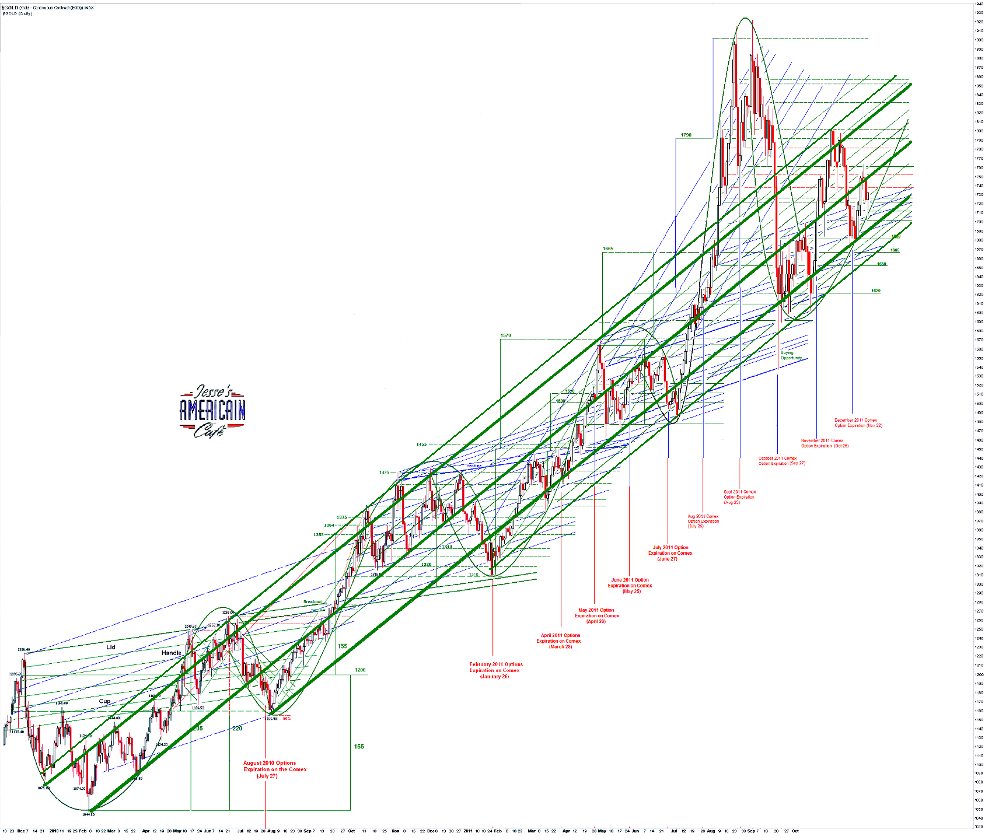
- Market Volatility: The price of gold can be volatile, leading to potential losses for investors who buy at a high price and sell at a low price.
- Liquidity Issues: Depending on the type of gold coin, it may not always be easy to sell. Some coins may take longer to find a buyer, especially if they are not widely recognized.
- Storage and Insurance Costs: Physical gold coins require secure storage to prevent theft or damage. Additionally, investors may need to purchase insurance, which can add to the overall cost of the investment.
- Counterfeiting: The market for gold coins is not immune to fraud. If you adored this post and you would certainly like to get more facts regarding buynetgold kindly browse through our own internet site. Investors must be cautious and ensure they purchase from reputable dealers to avoid counterfeit coins.
Benefits of Purchasing Gold Coins
Despite the risks, there are several advantages to purchasing gold coins:
- Inflation Protection: Gold has a long-standing reputation as a hedge against inflation, preserving purchasing power over time.
- Cultural Significance: Many gold coins carry historical and cultural significance, making them not only an investment but also a piece of art and history.
- Tax Benefits: In some jurisdictions, gold coins may be exempt from capital gains tax if held for a certain period, providing potential tax advantages to investors.
- Global Acceptance: Gold is universally recognized and accepted, making it a liquid asset that can be easily traded or sold.
Conclusion
The purchase of gold coins remains a popular investment strategy for individuals seeking to diversify their portfolios and protect their wealth. While there are risks associated with investing in gold coins, the potential benefits, such as inflation protection and cultural significance, make them an attractive option for many investors. Understanding the types of gold coins available, the factors influencing their value, and the market dynamics can help investors make informed decisions when considering gold coin purchases. As with any investment, thorough research and due diligence are essential to navigate the complexities of the gold coin market successfully.



