






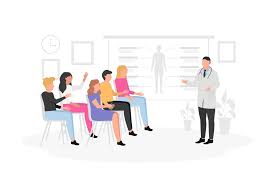

Understand Importance of Practical Training in Nursing Education
Nursing education is a field that demands both theoretical knowledge and hands-on skills. While textbooks and lectures provide foundational understanding, practical training ensures that nursing students are equipped to handle real-life healthcare situations effectively. For aspiring nurses, bridging the gap between classroom learning and clinical practice is essential for professional competence, confidence, and patient safety.
Practical training in nursing involves structured, supervised exposure to clinical environments where students can apply theoretical knowledge to patient care. This experience is crucial for developing essential skills, understanding hospital protocols, and learning to respond to dynamic situations. Institutions like Babu Yugraj Singh College of Medical and Sciences emphasize practical training across their programs—B. Sc. Nursing, GNM, and ANM—to ensure that graduates are workforce-ready and capable of delivering high-quality care.
Bridging the Gap Between Theory and Practice
Theoretical knowledge alone cannot equip nursing students with the skills they need in clinical settings. Practical training allows students to apply classroom concepts, such as anatomy, physiology, pharmacology, and infection control, in real-world scenarios.
Hands-on experience ensures that students understand not only what to do but also how and why. For example, learning the correct way to administer medication, monitor vital signs, or perform wound care requires practice under supervision. This experiential learning bridges the gap between textbooks and patient care, making students more prepared for real responsibilities.
Developing Competence and Confidence
Practical training helps students gain confidence in their abilities. Nursing is a high-pressure profession where timely and accurate actions can significantly impact patient outcomes. Exposure to clinical scenarios allows students to develop critical decision-making skills, problem-solving abilities, and quick thinking in stressful situations.
Confidence grows as students repeatedly practice tasks such as administering injections, assisting in surgeries, or handling emergencies. By the time they graduate, they are not just knowledgeable but also capable of performing efficiently under pressure.
Enhancing Patient Care Skills
The ultimate goal of nursing is to provide high-quality patient care. Practical training helps students develop skills that directly improve patient outcomes, such as effective communication, empathy, and active listening.
During clinical rotations, students interact with patients from diverse backgrounds. They learn how to address patient concerns, provide comfort, and offer education about treatments and medications. These experiences teach the importance of compassion and professionalism, which are as crucial as technical skills in nursing.
Exposure to Real Healthcare Environments
Working in real healthcare settings introduces students to the dynamics of hospitals, clinics, and community health centers. They learn about workflow management, patient safety protocols, emergency procedures, and inter-professional collaboration.
This exposure helps students adapt to different hospital environments, work with medical teams, and understand patient care processes. Experiencing real-life scenarios ensures that graduates can transition smoothly into professional roles.
Integration of Classroom Knowledge
Practical training reinforces theoretical lessons. Students apply concepts learned in lectures to actual situations, such as using pharmacology knowledge to administer medications safely or implementing infection control measures learned in class.
This integration strengthens learning retention and ensures that students can make evidence-based decisions in patient care. Programs with a strong emphasis on hands-on experience allow students to connect knowledge with practice effectively.
Developing Critical Thinking and Problem-Solving Skills
Clinical training encourages students to assess patient conditions, prioritize interventions, and make informed decisions. These problem-solving skills are essential for handling unexpected medical situations.
Simulation labs, supervised clinical rotations, and interactive workshops give students a safe environment to experiment, learn from mistakes, and improve their clinical judgment. This iterative learning process ensures they are ready for complex challenges in real healthcare settings.
Adapting to Healthcare Technology
Modern nursing relies heavily on technology, including patient monitoring devices, electronic health records, and diagnostic tools. Practical training familiarizes students with these technologies, helping them operate medical equipment efficiently and maintain accurate patient documentation.
Being proficient with healthcare technology improves efficiency, reduces errors, and ensures students are prepared for contemporary medical environments.
Enhancing Teamwork and Communication
Nursing is inherently collaborative. Practical training allows students to work closely with doctors, senior nurses, and other healthcare professionals. Effective communication and teamwork are critical for ensuring patient safety and smooth clinical operations.
By participating in team-based care, students learn to share information accurately, respect professional roles, and contribute effectively to patient management. These soft skills are vital for long-term professional success.
Supporting Licensing and Professional Readiness
Practical training is essential for meeting the requirements of professional licensing and accreditation bodies. Nursing programs often include clinical hours that must be completed before students can sit for exams or obtain licensure.
Hands-on experience ensures that students meet competency standards and are ready to deliver safe and efficient care from day one of their professional careers.
Encouraging Lifelong Learning and Professional Growth
Practical experience fosters a mindset of continuous learning. Nurses encounter new challenges daily, and exposure to various clinical scenarios during training encourages adaptability and lifelong skill development.
Students who engage deeply in practical training are more likely to pursue advanced certifications, specialize in specific areas, and stay updated with medical advancements, enhancing career growth and professional satisfaction.
The Role of Mentorship in Practical Training
Mentors help students refine their skills, understand ethical considerations, and navigate complex patient situations. Their guidance is invaluable for transforming theoretical knowledge into practical competence.
Preparing for Community and Public Health Roles
Nursing is not limited to hospital care. Practical training also includes exposure to community health, preventive care, and outreach programs. Students learn to conduct health awareness campaigns, provide vaccinations, and educate communities about disease prevention.
These experiences broaden their understanding of public health and prepare them to contribute meaningfully to society beyond clinical settings.
Benefits to Healthcare Organizations
Graduates who have undergone extensive practical training are highly valuable to healthcare employers. They require less supervision, adapt quickly to work environments, and can deliver high-quality patient care immediately.
Healthcare institutions benefit from a workforce that is skilled, confident, and capable of improving patient outcomes, which in turn enhances organizational reputation and service quality.
Conclusion
Practical training is the backbone of nursing education. It equips students with technical skills, critical thinking, professional behavior, and confidence necessary for effective patient care. By bridging the gap between classroom knowledge and clinical application, practical training ensures that nursing graduates are competent, compassionate, and ready to meet the challenges of modern healthcare.
FAQs
What is the importance of practical training in nursing education?
Practical training allows nursing students to apply theoretical knowledge in real-life clinical settings. It develops essential skills, builds confidence, and prepares students to deliver safe and effective patient care, bridging the gap between classroom learning and professional practice.
How does practical training improve patient care skills?
By participating in hands-on clinical activities, students learn effective communication, empathy, and patient management. They gain experience in monitoring vitals, administering medication, and assisting in procedures, ensuring they provide high-quality and patient-centered care.
Why is exposure to real healthcare settings essential for nursing students?
Real healthcare environments expose students to diverse medical cases, hospital protocols, and emergency scenarios. This experience helps them adapt to dynamic situations, work with healthcare teams, and understand workflow and patient management processes.
How does practical training integrate theoretical knowledge?
Clinical training allows students to apply concepts learned in lectures, such as pharmacology, infection control, and anatomy, to real situations. This reinforces learning, enhances retention, and ensures students can make informed decisions in patient care.
What role does mentorship play in nursing practical training?
Mentors guide students through clinical procedures, provide feedback, and ensure adherence to professional standards. Their supervision helps students develop critical thinking, problem-solving skills, and professional judgment.
How does practical training prepare students for licensing and exams?
Practical training fulfills clinical hour requirements set by licensing bodies. It ensures students demonstrate competence in essential nursing skills, making them eligible for professional examinations and ready for workforce responsibilities.
How does practical training enhance teamwork and communication?
Working in clinical teams teaches students to share information accurately, respect professional roles, and coordinate care. Effective collaboration ensures patient safety and prepares students for real-world healthcare environments.
Why is practical training important for long-term career growth in nursing?
Hands-on experience fosters adaptability, confidence, and continuous learning. Students who engage in extensive practical training are better prepared for advanced certifications, specialization, and evolving healthcare technologies, supporting long-term professional success.


