Maintaining a dual boiler espresso system through regular descaling is crucial for peak operation, extended durability, and consistently excellent coffee flavor.
Unlike basic models, dual boiler espresso machines are engineered with distinct heating circuits for brewing and steaming, offering superior temperature stability but requiring more careful upkeep.
Because of this complexity, descaling must be done carefully to avoid damaging internal components or voiding warranties.
For best results and to safeguard your investment, follow this comprehensive guide designed specifically for descaling dual boiler espresso machines.
Begin by gathering the right supplies.
Never use household vinegar or generic descalers—only choose products labeled safe for coffee brewing systems.
White vinegar and non-specialized cleaners may impart unpleasant tastes, degrade rubber seals, or damage chrome plating on internal components.
Check your machine’s manual for recommended descaling agents, as some manufacturers suggest proprietary solutions.
You will also need a clean container large enough to hold the solution, a measuring cup, a soft brush or cloth, and clean water for rinsing.
Always disconnect power and allow the unit to cool completely before beginning maintenance.
Let the machine sit for at least one hour after last use to ensure all boilers and pipes have reached ambient temperature.
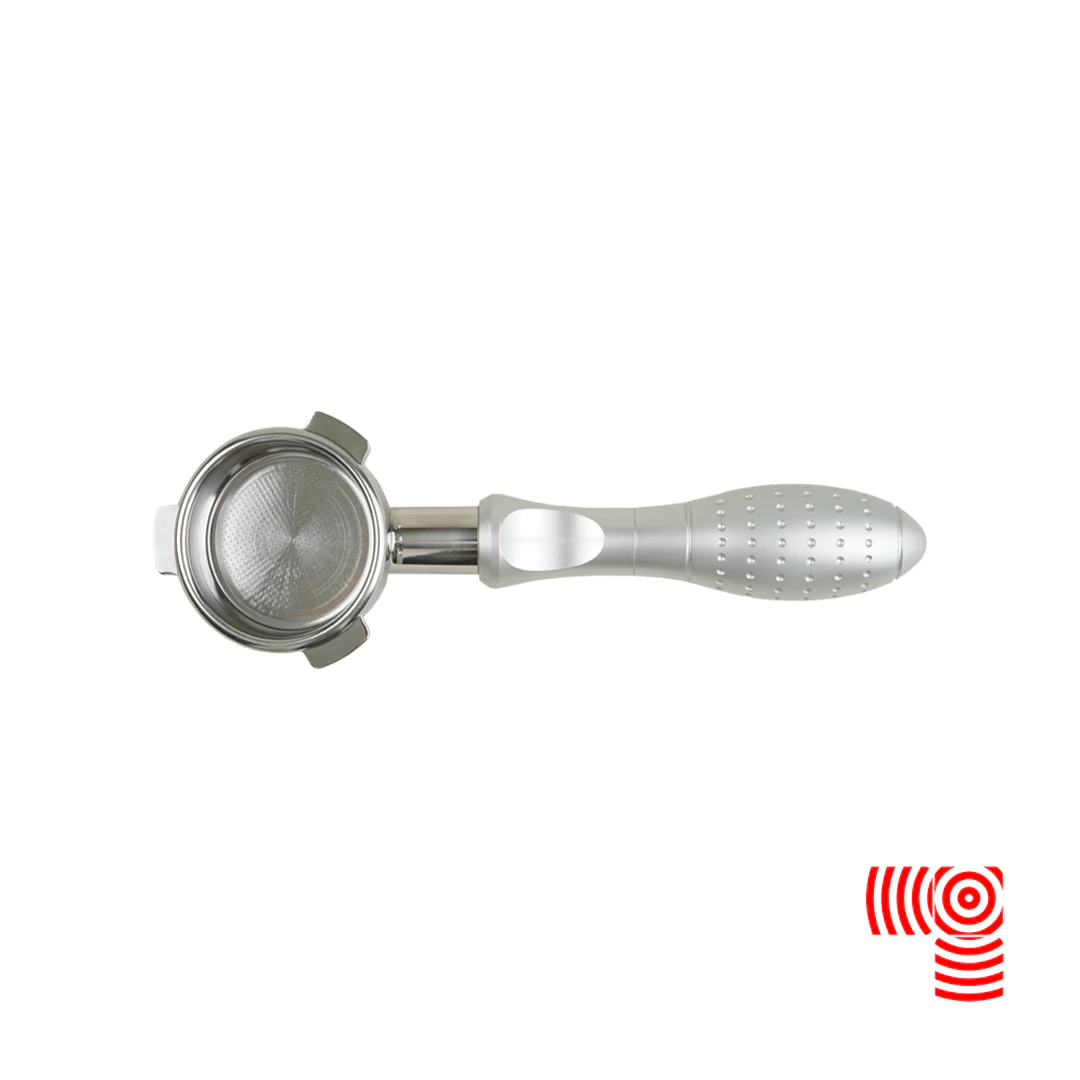
Remove the water reservoir, drip tray, portafilter, and any detachable filters to expose all water pathways.
Disconnect any inline filters, aerators, or removable tips from the steam wand and hot water dispenser.
Mix the descaling concentrate precisely as directed on the product label or in your machine’s manual.
Typically, this involves mixing a specific amount of descaler with water.
Pour the solution into the water reservoir.
Do not exceed the maximum fill line.
Many descalers emit mild acidic vapors—ensure proper airflow to avoid inhaling fumes or irritating sensitive respiratory systems.
Start the descaling sequence as prescribed by your model’s interface.
Many high-end models feature a dedicated “Descaling” or “Clean” program accessible via the control panel.
Refer to your user manual to activate this function.
If your machine does not have a dedicated descaling program, you will need to manually cycle the solution through each boiler system.
Begin descaling by targeting the brewing system first, as it’s most sensitive to mineral buildup.
Run the pump continuously for 4–6 minutes to ensure full penetration into the brew circuit.
Allow the descaler to dissolve scale deposits undisturbed for the duration specified by the product.
Exceeding the recommended dwell time may cause rubber components to swell, harden, or crack.
Now shift focus to the steam boiler and wand to remove mineral deposits from high-temperature lines.
Engage the steam function repeatedly to force the solution through all internal steam tubing.
Position a large, heat-resistant jug or bowl under the steam tip to collect the discharged solution.
Run the steam function intermittently for 5 to 10 minutes, allowing the solution to reach all internal tubing and the boiler chamber.
If you notice cloudy residue or reduced flow, repeat the steam cycle with fresh solution.
After both boilers have been treated, it is critical to rinse thoroughly.
Run multiple full tanks of water through both systems—this may take 3–5 complete cycles.
In hard water areas, you may need to refill and flush up to six times for complete removal.
Do not skip this stage—any residual descaler can affect the taste of your coffee and potentially harm your health.
Once rinsing is complete, reassemble all parts, including the portafilter, filters, and drip tray.
Wait for the machine to complete its warm-up cycle before proceeding.
Execute a few empty brew and steam cycles with plain water to purge any lingering traces.
If your machine has a water hardness setting, reset it according to your local water conditions.
Finally, monitor your machine’s performance over the next few days.
Pay attention to brewing time, steam pressure, and water flow.
Any drop in pressure, gurgling sounds, or leaks warrant professional inspection.
For households with hard water or daily use, descale monthly; for light use, every 90 days suffices.
What works for a Breville may damage a Nuova Simonelli—always consult your specific manual.
Never force components or attempt to disassemble sealed boiler chambers.
If you’re unsure about any step, partakstore call the manufacturer’s support line or a certified technician.
Regular maintenance transforms your machine into a reliable instrument—delivering café-quality espresso with every shot.